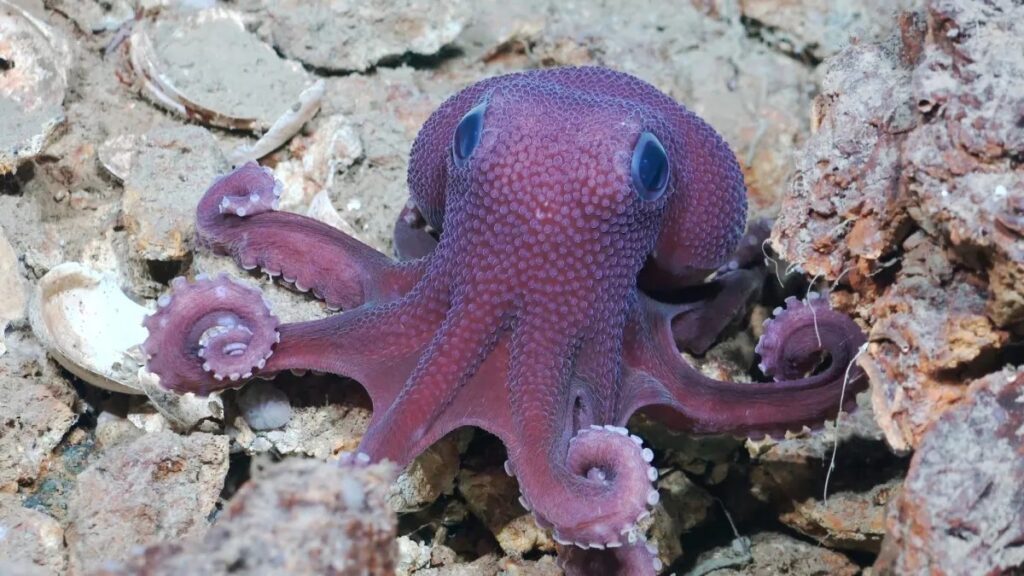
Trinidad ve Tobago’dan gelen deniz biyologları, son zamanlarda Karayipler adaları çevresindeki derin deniz sularının ilk yerel yönetimdeki ve en kapsamlı araştırmasını tamamladı. Schmidt Ocean Institute’ın araştırma gemisi Falkor (aynı zamanda) ile gerçekleştirilen bir aylık proje, ülkenin yaklaşık %13’lük kısmını kapsadı ve 20 potansiyel yeni türün tanımlanmasına olanak sağladı. Araştırmacılar ayrıca, University of the West Indies, St. Augustine için 700’den fazla örnek topladılar. Kataloglanacak bu örnekler, üniversitenin Zooloji Müzesi’nin derin deniz koleksiyonunu 12 kat artıracaktır.
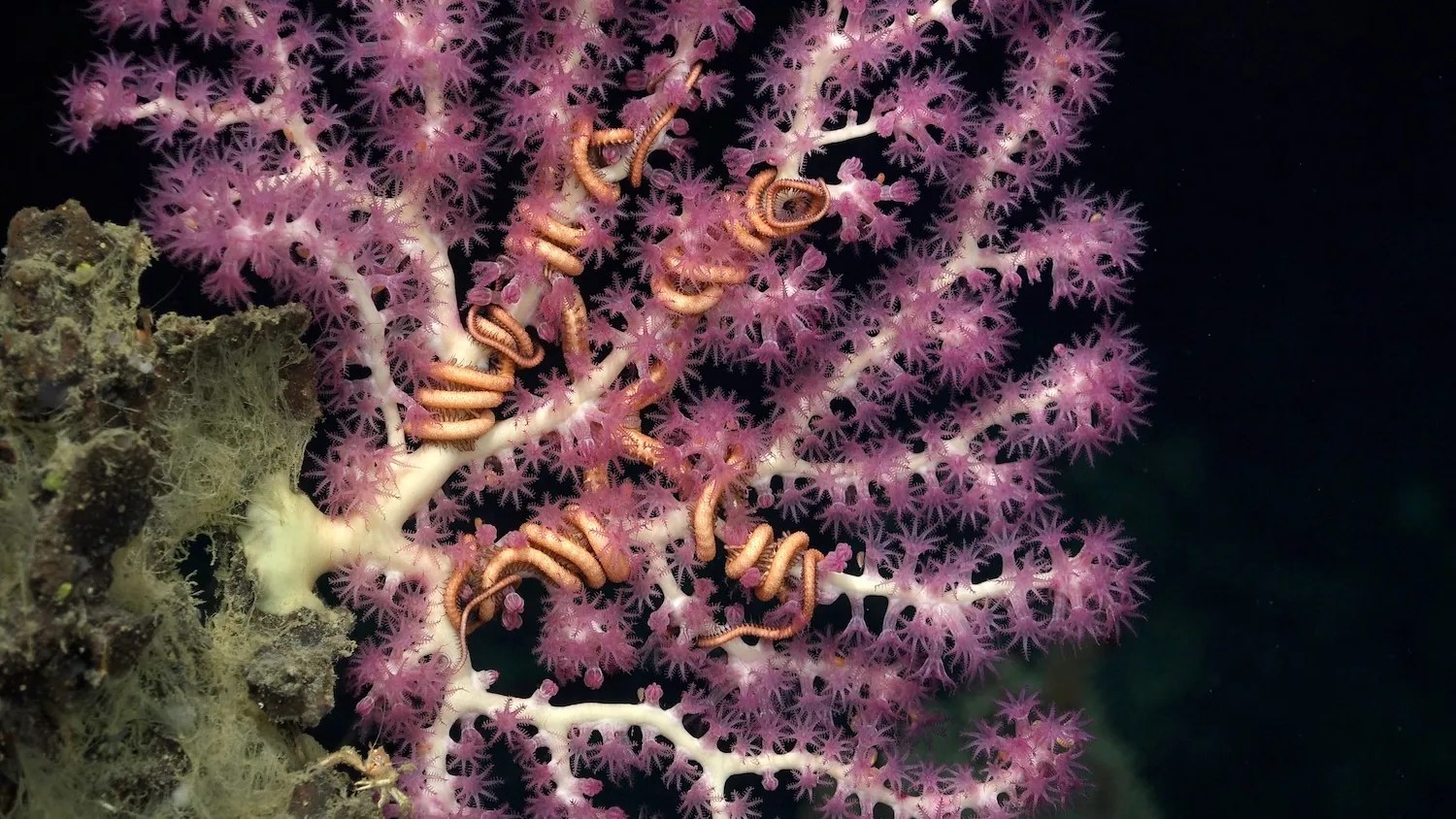
Symbiotic brittle stars cling to a deep-sea coral off the coast of Trinidad and Tobago. A research team led by marine biologist Dr. Diva Amon (SpeSeas), composed largely of Trinbagonian scientists, surveyed the island nation's deep-water territory to document rare ecosystems and guide local conservation efforts.

Ekspedisyon lider bilim insanı Diva Amon, “Yaptığımız her yeni keşif, ister ekosistem, ister tür, ister davranış olsun, neyin önemli olduğunu daha iyi anlamamızı sağlıyor ve ülkenin büyük ölçüde bilinmeyen ama kritik olan bu kısmının gerçek koruyucuları olmamıza yardımcı oluyor” şeklinde konuştu.
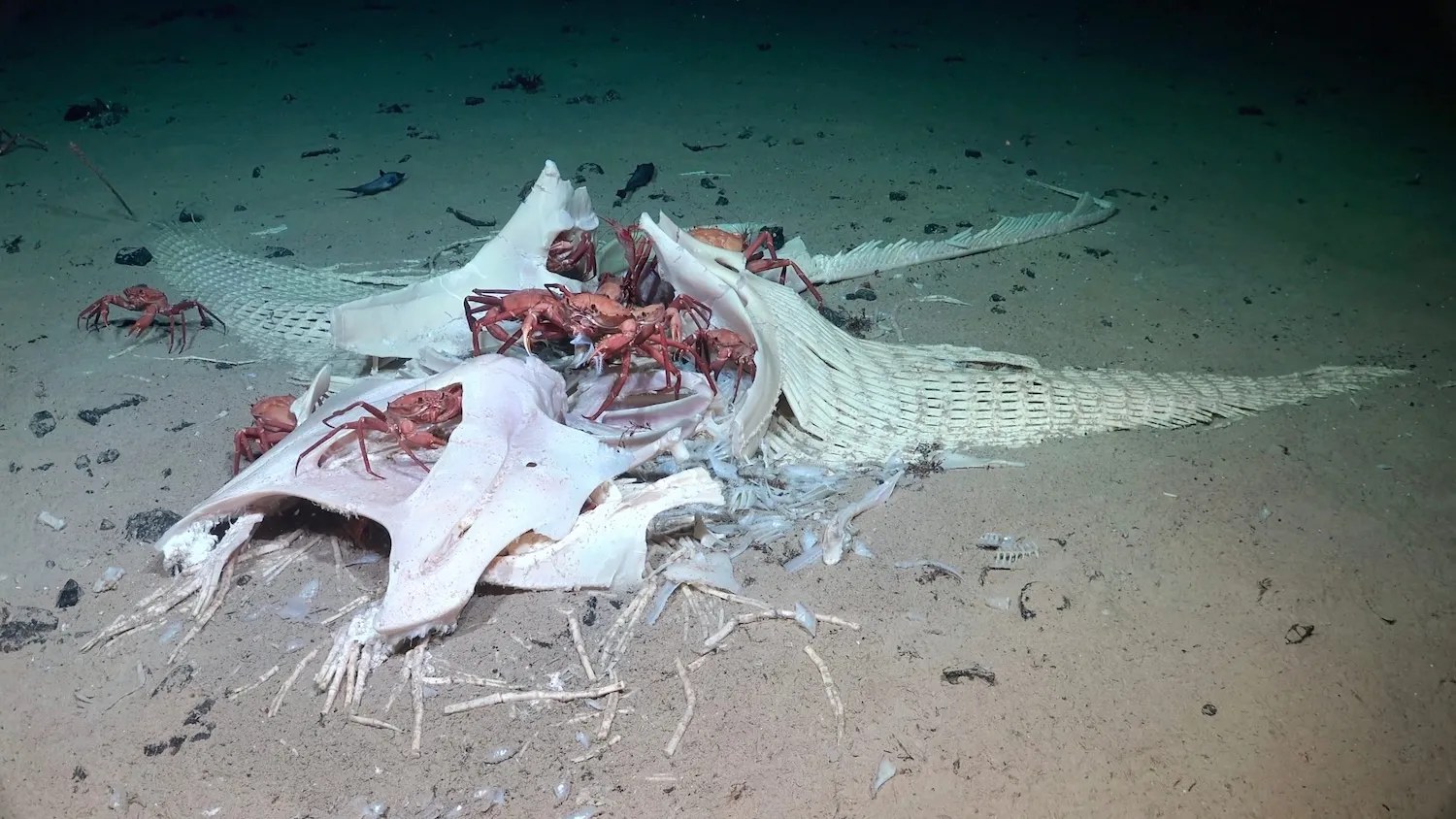
The science team encountered this rare manta ray (Mobula) fall at 1,025 meters depth off the coast of Trinidad and Tobago. When animals die in the Ocean, their bodies often sink to the seafloor, creating a rich food buffet that feeds hundreds of deep-sea species in an often food-scarce environment.
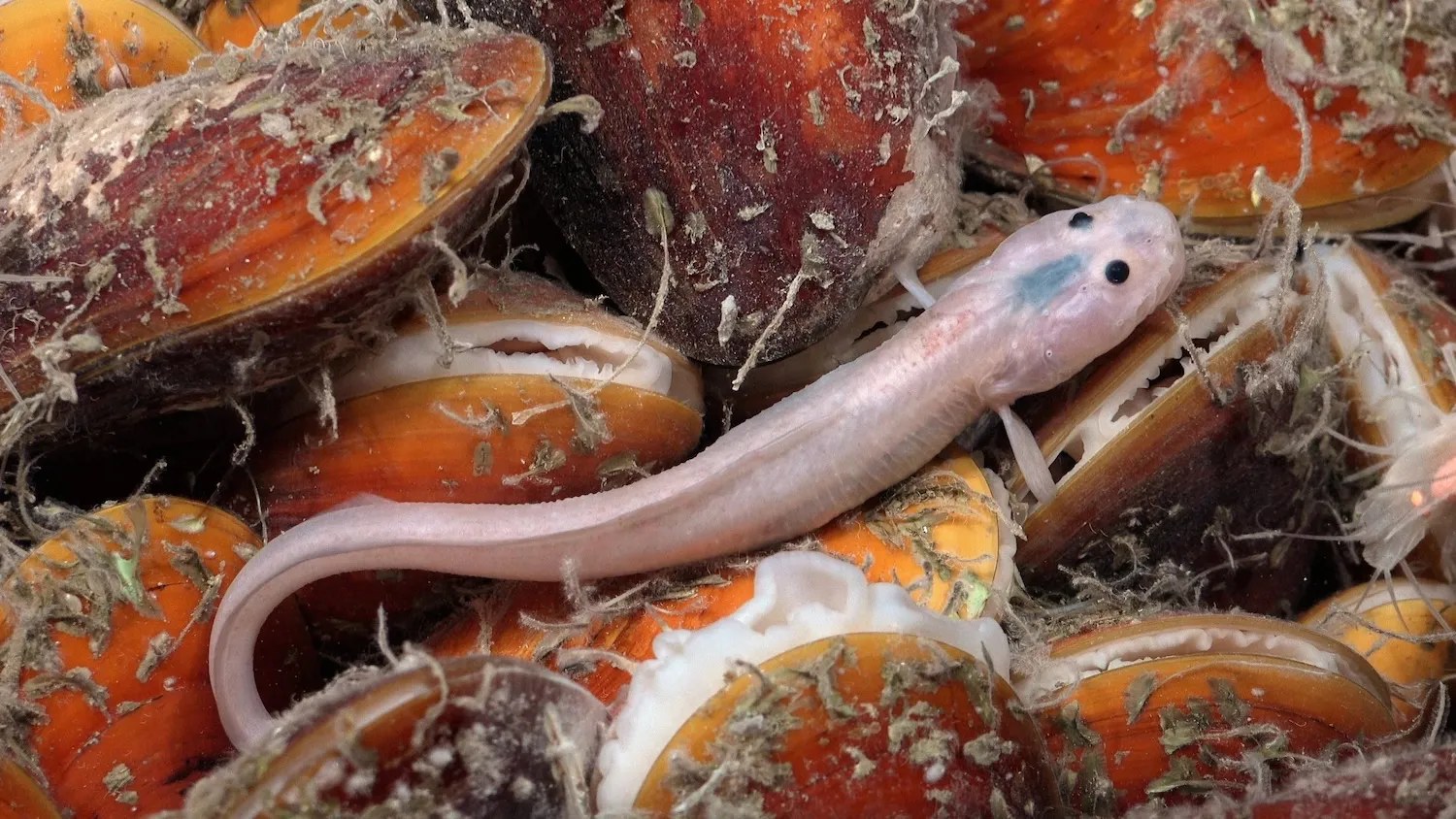
An eelpout (Pachycara caribbaeum) lies on a bed of chemosynthetic mussels (Gigantidas childressi) off the coast of Trinidad and Tobago. Ninety-three percent of Trinidad and Tobago lies below recreational scuba depths, placing its largest ecosystems in the mesophotic zone (between 30 and 199 meters) and the deep ocean. The geological setting of the two islands is ideal for supporting chemosynthetic habitats.

Aşağıda, nadiren görülebilen büyüleyici canlı türlerinden bazıları bulunmaktadır.
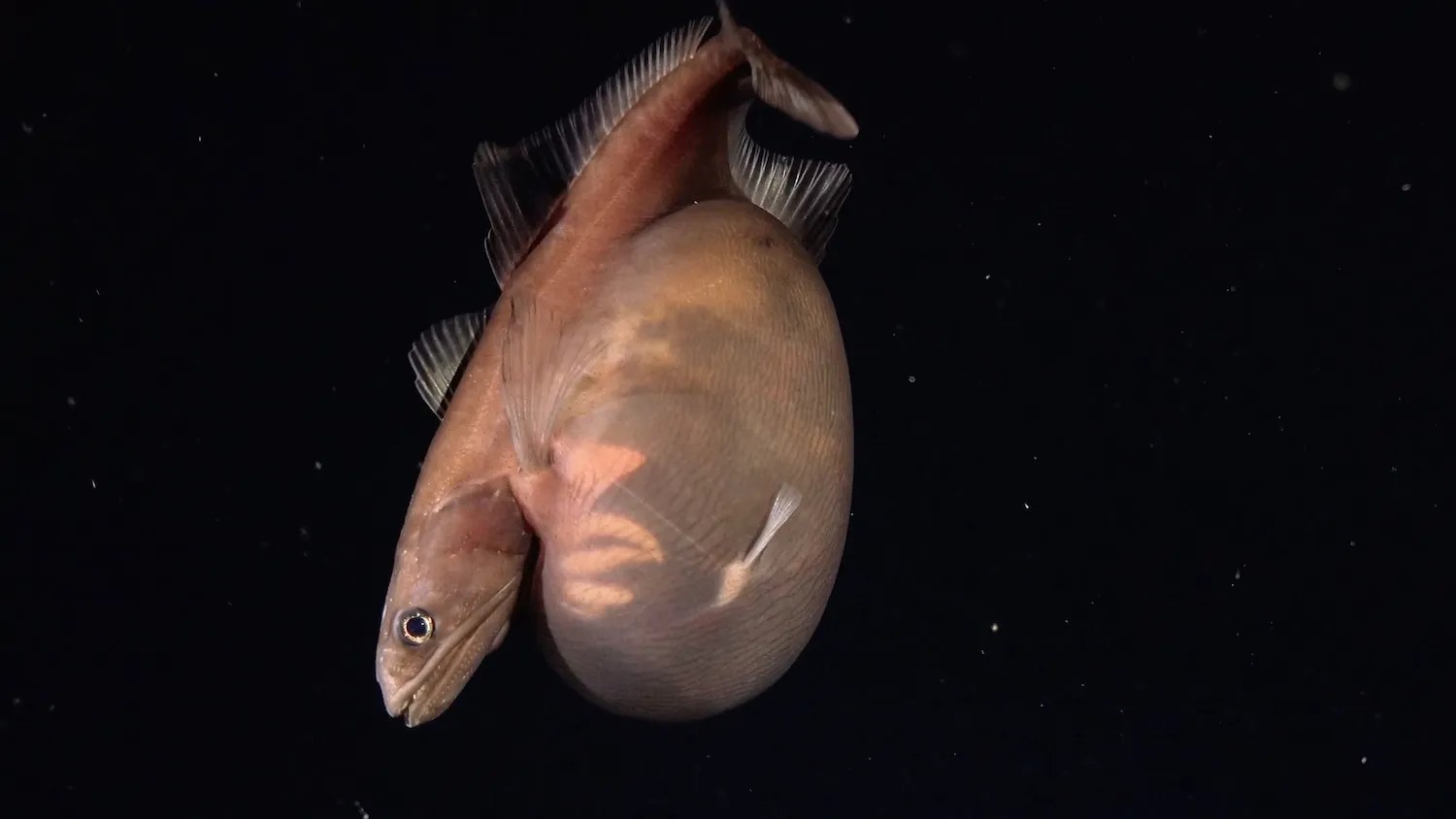
A black swallower fish (Chiasmodon niger) swims at a depth of 1,259 meters during a remotely operated vehicle dive off Trinidad and Tobago. Known for their expandable stomachs and dislocating jaws, these rare deep-sea fish can swallow prey larger than themselves. This specimen's translucent belly reveals a recent meal. A research team led by marine biologist Diva Amon conducted the first comprehensive deep-water survey of the nation's ocean territory, where more than 93% of the waters lie below recreational diving depths. Restricted usage: For editorial and news usage only Credit: ROV SuBastian / Schmidt Ocean Institute
11 vibrant deep-sea creatures shine in new Caribbean expedition

(Resimleri tam ekrana görmek için tıklayın.)
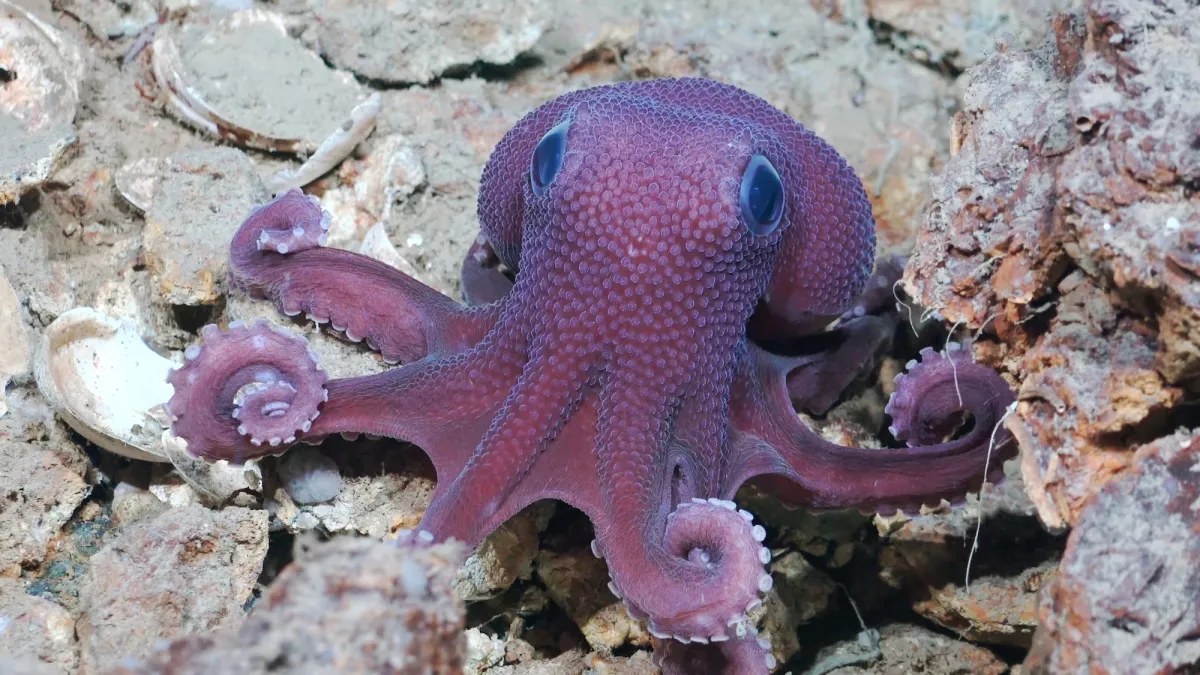
11 vibrant deep-sea creatures shine in new Caribbean expedition
İlginizi Çekebilir: Akıllı Tuğlalar, Oluşturdukları Nesneyi Tanıyor →
Kaynak: Popsci ↗