
 •
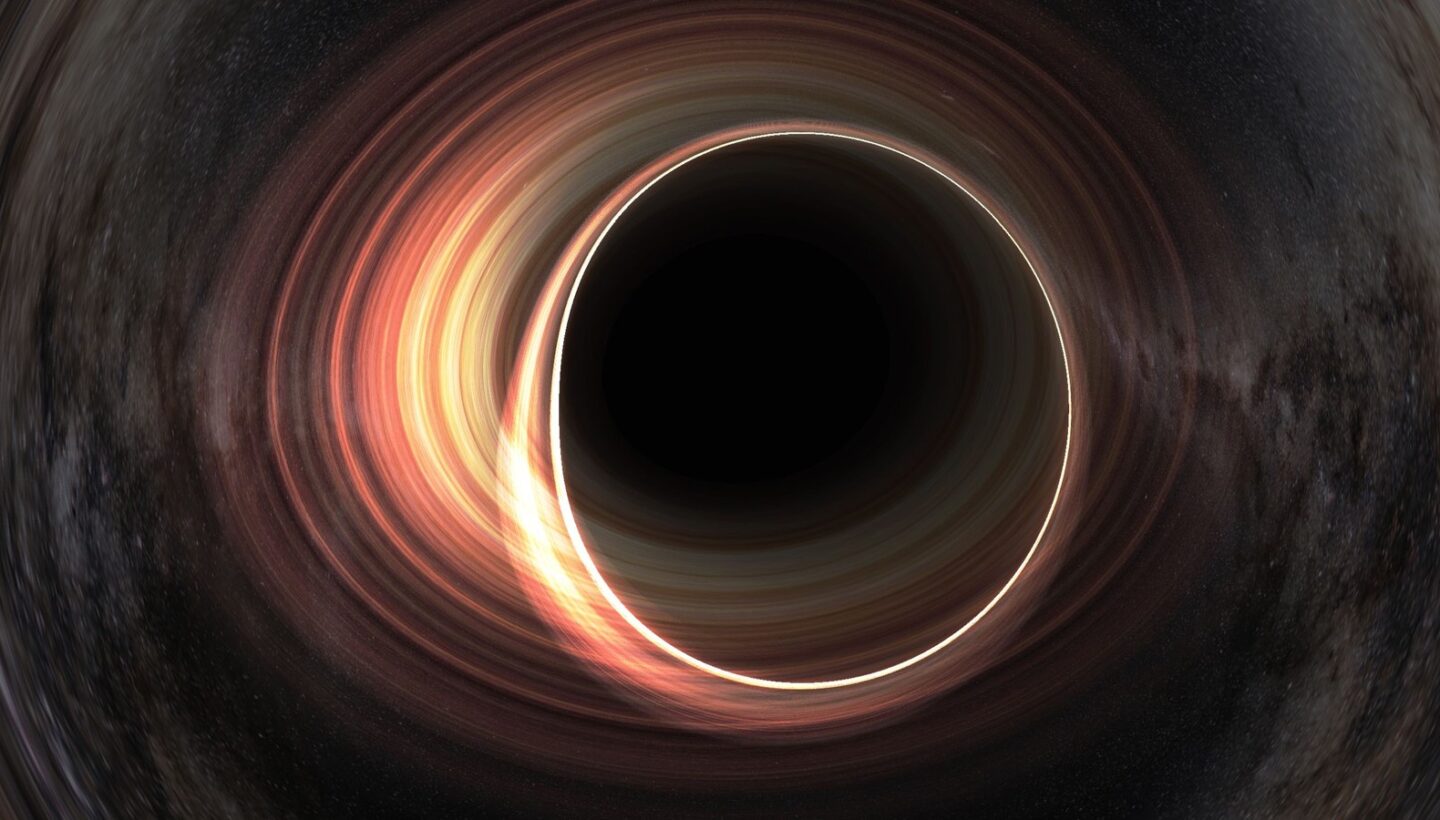
•An engineer and his colleague have developed a “sound black hole” in the laboratory, which absorbs and eliminates the echoing sound in pipes. The device was tested with a 3D-printed prototype that can be attached to existing piping systems, and it was found to match computer simulations of the amount of echo returned. Sound bounces and echoes from the many sources around us and reflects off surfaces, making it extremely useful or annoying, depending on the circumstances. Sound passing through enclosed spaces in pipes, such as ventilation, air conditioning, industrial exhausts or plumbing, can echo regularly when it encounters an obstruction or narrowing.
“The sound approaches the edge of the tube and something happens to the wave; it looks like what an outside observer would see near an astrophysical black hole: The wave takes an infinite amount of time to reach the boundary,” says Guasch. “Ideally, when the sound enters the black hole, it doesn’t come back out.”
Researchers tested this with a 3D-printed prototype: the structure, which consists of 29 rings arranged on a central rod and is approximately 15 centimetres long, was then placed in an impedance tube, which is used to measure how sound waves behave when they encounter a material or structure. No shouting was heard inside the tube; instead, a speaker sent out sound waves at different frequencies, and microphones were used to measure how much of the sound returned. The results were encouraging: the amount of sound that returned from the black hole corresponded closely to the researchers’ computer simulations; however, it should be noted that the echoes did not completely disappear.

There are challenges to overcome before the small sound is released into the field. Different environments bring different problems: from particles that can fill the gaps to temperature, pressure and flowing air. However, Guasch is excited by the possibilities of controlling sound in ways that were once thought to be almost impossible. “Personally, I’m most excited by the way physics and mathematics bring together information fields that were initially quite unrelated,” he says. “And of course, the type of wave control that is now possible is something that seemed like science fiction just a few years ago.”
























Ole ensimmäinen kommentoija
Kehitä ajatustasi lähteellä, kysymyksellä tai rakentavalla vasta-argumentilla.