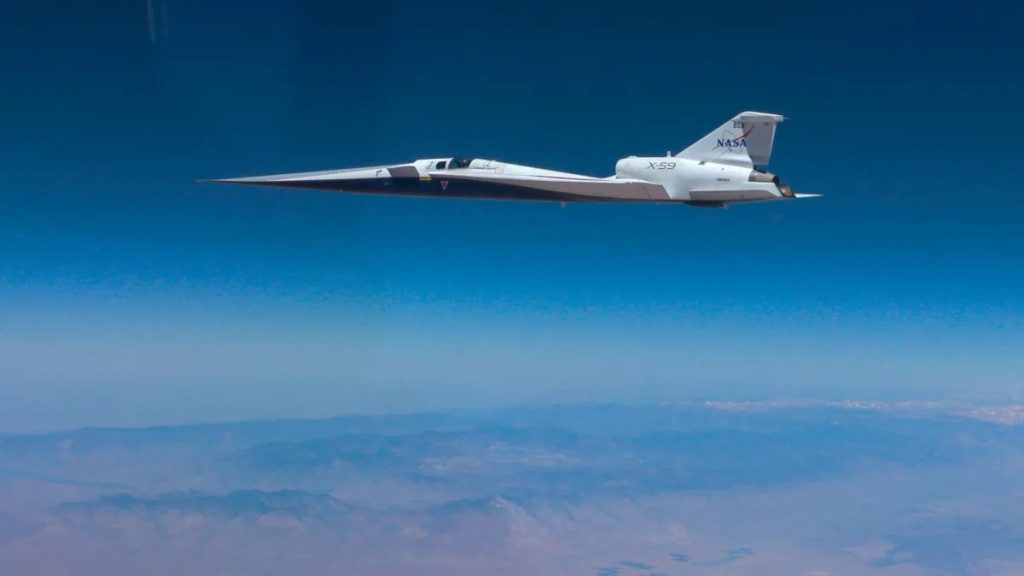
For the first time in over half a century, the United States government isclearing the wayfor a new generation of ultrafast aircraft to take to the skies. A ban oncontinental supersonic flighthas been in place since the 1970s, to ensure nobody endures the noisy sonic booms left in their wake. Aeronautic engineering has come a long way since then, however, and the Federal Aviation Administration (FAA) knows it.
According to a newFAA rule proposal, revised noise-based certification standards for supersonic aircraft will ensure any upcoming planes’ sonic boom overpressure doesn’t exceed 0.11 pounds per square foot (psf). Basically, supersonic civilian travel would sound more like a car door slamming than an explosive gunblast to anyone at ground level.
“We can ultimately repeal the ban from the 1970s on supersonic flight over U.S. territory while minimizing noise impacts to residents in communities along the route and near airports,” FAA administrator Bryan Bedfordsaid in an accompanying statement.
Although domestic supersonic flight never became a major form of travel, the U.S. military once routinely conducted aircraft tests near residential areas. The resultant sonic boom shock waves frequently shattered windows, cracked building walls, and unnerved citizens within earshot. After sustained pushback, the government banned continental supersonic aircraft outside of remote designated areas in 1973.
Between the damaging shock waves and multiple deadlyConcorde aircraft crashes, the supersonic aviation industry’s image remained tarnished for decades, but that hasn’t stopped private companies and the government from pursuing multiple projects focused on improving safety and dampening the noise. Last year,NASA finally confirmedits long-rumoredX-59 experimental airplanethat produces more of a sonic “thump” than of a sonic boom. Meanwhile, private companies likeDawn AerospaceandBoomare developing their own commercial supersonic aircraft.
In addition to this week’s rule proposal, the FAA said it intends to introduce another proposal later this year intended to codify supersonic plane takeoff and landing noise standards. The return of ultrafast air travel may still be a few years away, but the FAA’s support will ensure it happens sooner than later.
Kaynak: Faa