

 ••
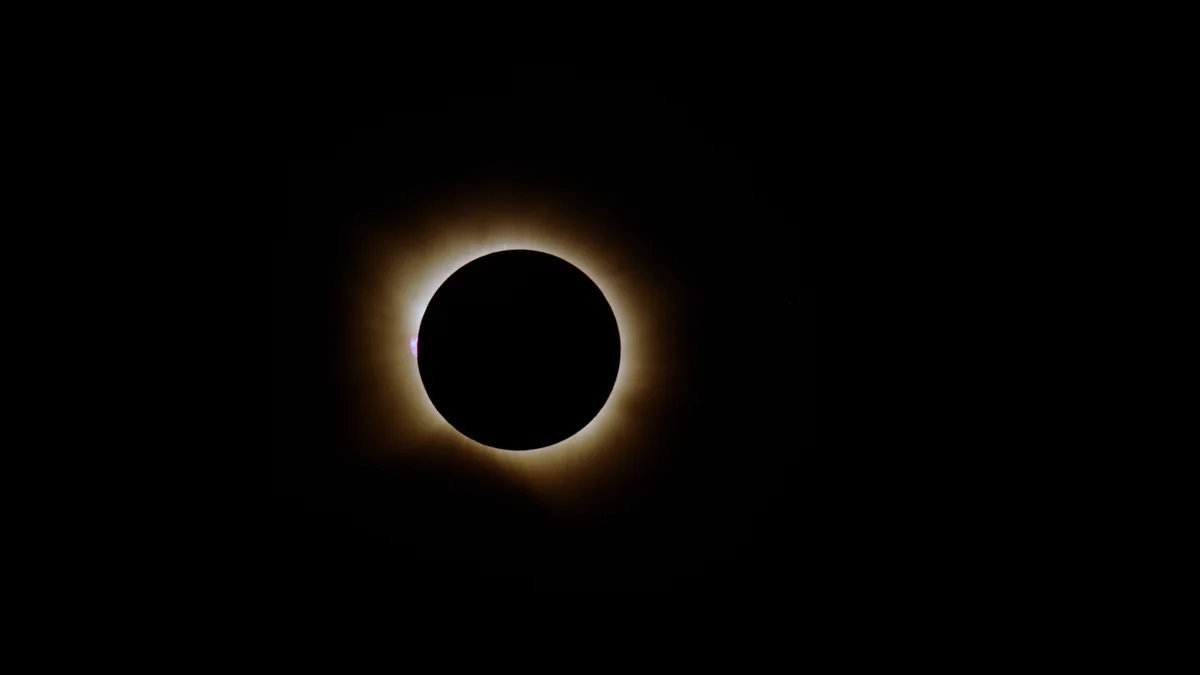
••2026’daki tam güneş tutulması, kıtalararası bir olay olarak, neredeyse üç asırdır Avrupa’nın bazı bölgelerinde görülmeyen bir doğa harikasıydı. Bugün, milyarlarca insan için gökyüzü kısmen veya tamamen karardı, çünkü Ay yıldızımızı önünden geçirdi ve ışığını engelledi.
Bu gün, Ay’ın gölgesi saatte binlerce kilometre hızla, kuzey Rusya, Grönland, İzlanda ve Kuzey Atlantik boyunca ilerledi. Ardından, İspanya’nın kuzey kesimlerine ve Portekiz’in küçük bir bölümüne ulaştı. Avrupa’nın çoğu bölgesi ile birlikte Kuzey Afrika ve Kuzey Amerika’daki bazı yerler de en azından kısmi bir tutulmaya tanık oldu.
Gözlemciler, tam güneş tutulması hakkında daha fazla bilgi edinebilir ve izleme ile ilgili rehberlere başvurabilir, ayrıca deneyimi belge etme konusunda ipuçları alabilirler. Unutmayın, asla yeterli koruma olmadan Güneş’e bakmayın!

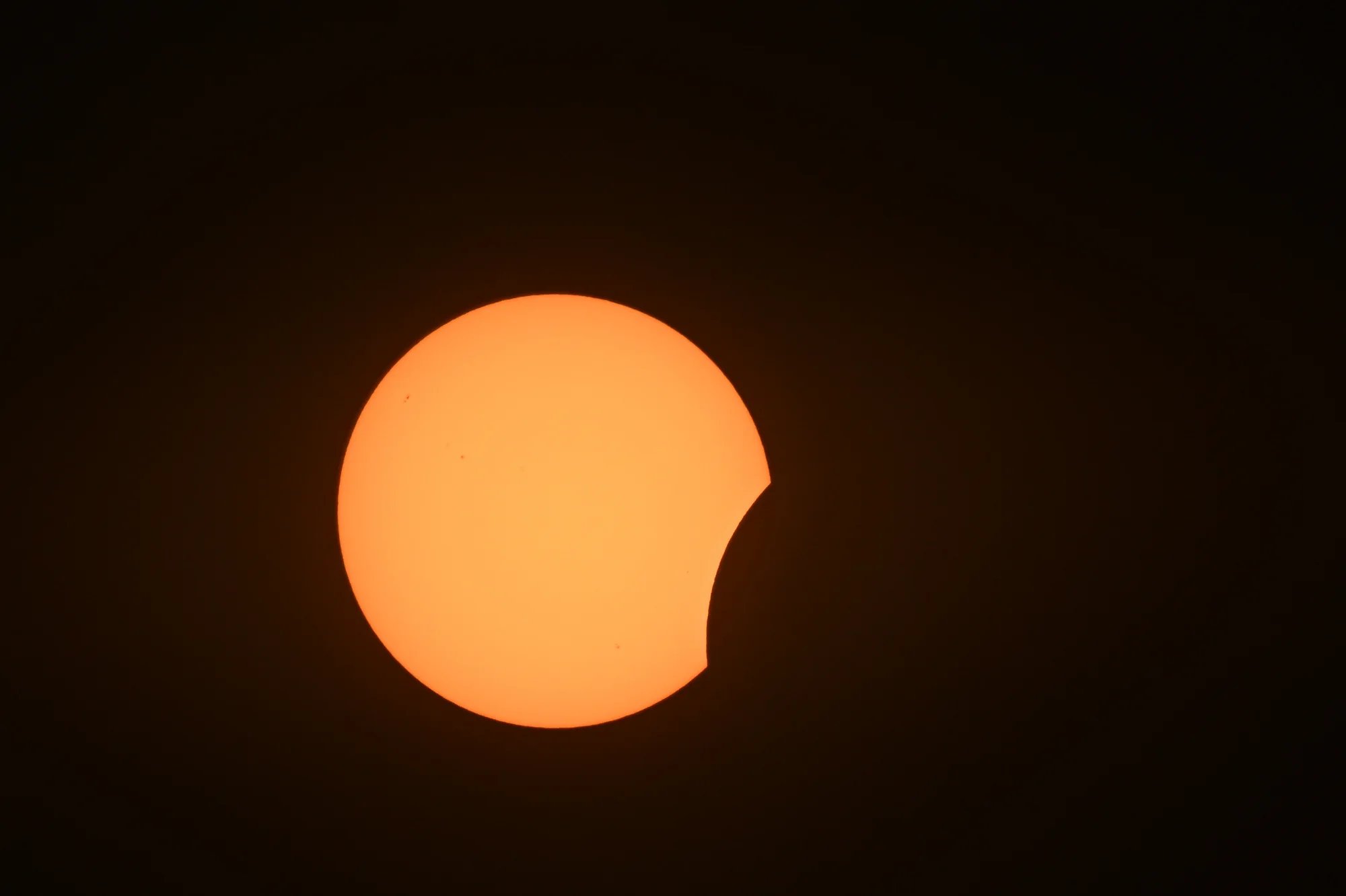
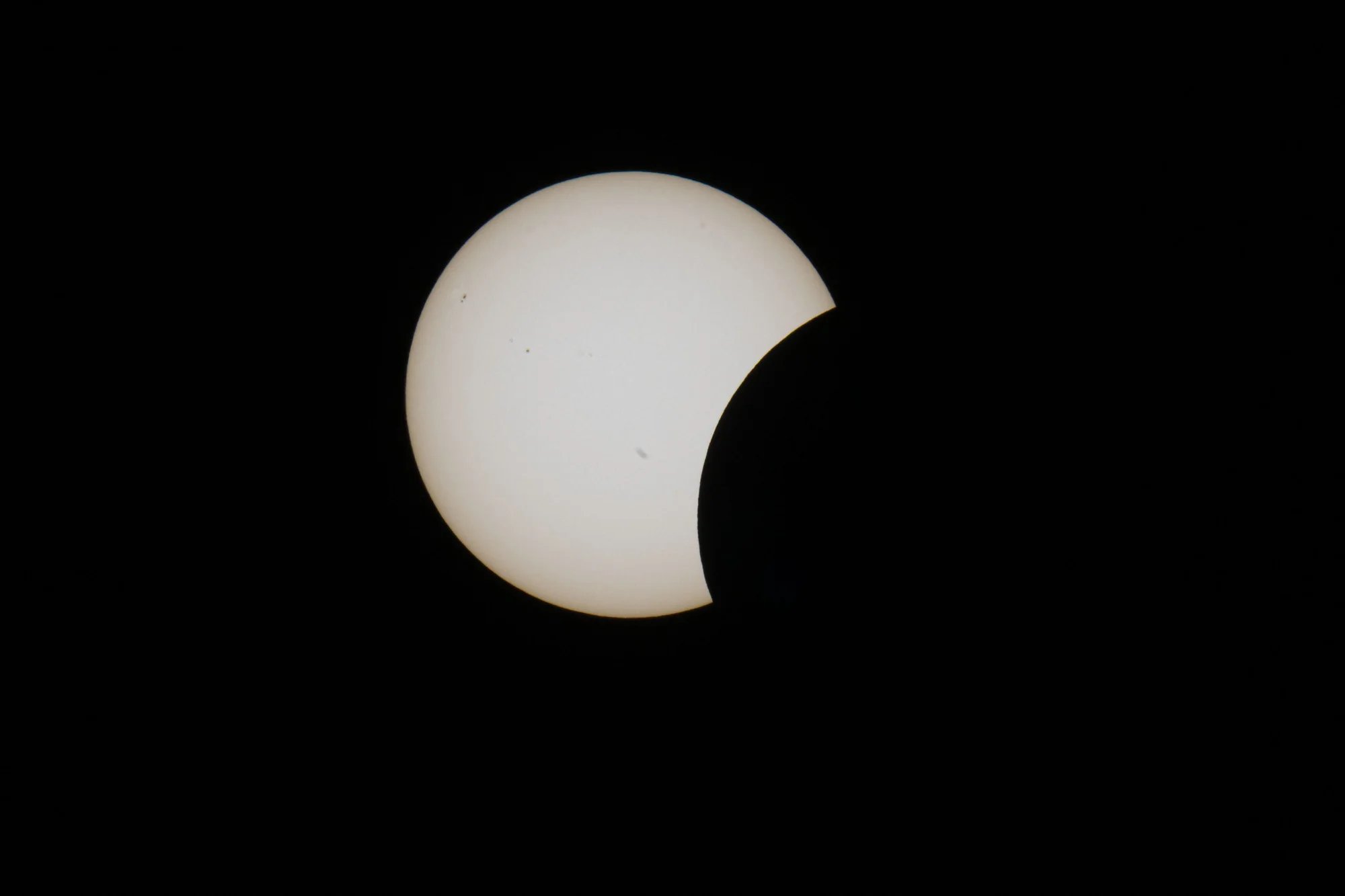
Tam güneş tutulmalarının güzelliği, evrendeki konumumuzun bir sonucu olarak ortaya çıkar. Güneş, Ay’dan yaklaşık 400 kat daha geniştir, ancak aynı zamanda 400 kat daha uzaktadır. Bu nedenle, gökyüzünde yaklaşık olarak aynı boyutta görünürler. İlk teması, yani Ay’ın ilk kez güneş diskinin üzerine girdiği an, Sibirya’nın kuzeyinde saat 11:34’te gerçekleşti.
İkinci temas, daha yaygın olarak “totallik” başlangıcı olarak bilinir. Bu, Ay’ın arkasındaki kenarının güneş diskinin üzerine ulaştığı ve yıldızımızı tamamen kapattığı andır. Bu olay, aynı bölgede saat 12:58’de başladı. Ancak en büyük totalliğin yaşandığı nokta, yaklaşık 48 dakika sonra, İzlanda’nın batı kıyısı açıklarındaki Danimarka Boğazı’nda, saat 13:46’da gerçekleşti ve bu noktada totallik iki dakika 18 saniye sürdü.
Ancak çoğu yerde totallik sadece bir dakika kadar sürdü. Bu güneş tutulması kısa süreliydi; nadir durumlarda totallik yedi dakikaya kadar sürebilir, ancak bu sefer öyle olmadı. Yedi dakikadan uzun süren örnekler nadirdir.
Totalliğin yaşandığı bölgelerde, Güneş tamamen kaplanmadan önceki son dakikalarda dramatik değişiklikler yaşandı. Gölgeler keskinleşti, sıcaklık düştü, gezegenler ve yıldızlar kararan gökyüzünde belirdi, hayvanların günlük ritimleri bozuldu hayvani davranışlarda, ve ufukta gün batımı benzeri bir parıltı ortaya çıktı.
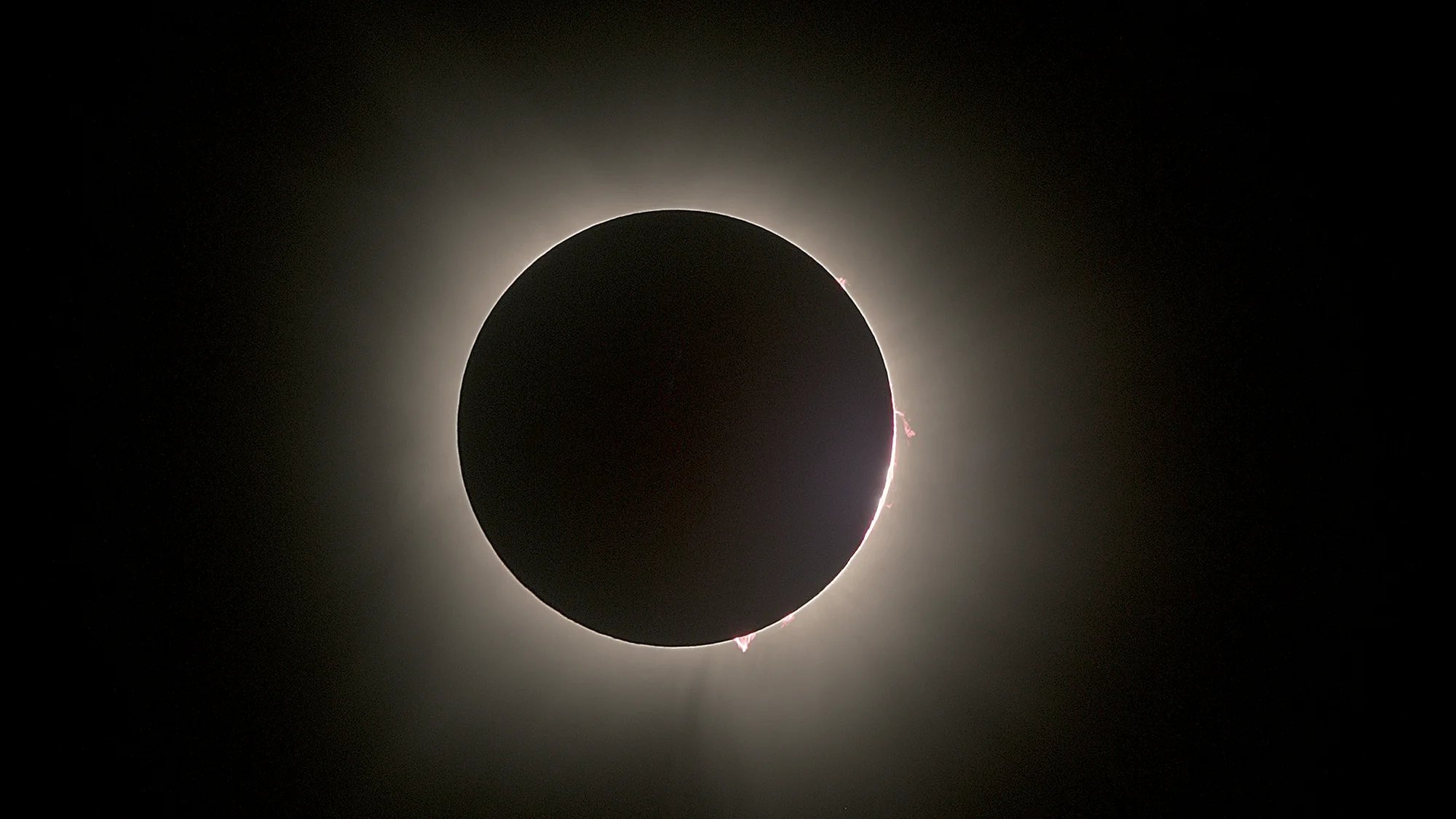
Ay Güneş’in üzerine tamamen oturduğunda, gözlemciler Baily boncuklarını görebilirlerdi; Ay’ın pürüzlü kenarlarındaki vadilerden sızan güneş ışığı. Bu ışıklar hızla kayboldu ve ardından elmas yüzük belirdi; Güneş’in yüzünün tamamen kaybolmadan önceki son parlak anı. Bu anda, Güneş’in soluk dış atmosferi, korona, ortaya çıktı. Genellikle Güneş’in parlamasıyla gizlenen bu eterik korona ve pale renkli plazma akıntıları, Güneş’in manyetik alanı tarafından şekillendirilir.
Bilim insanları için, bu tür bir tutulma, bu gizemli bölgeyi incelemek ve yakınındaki yıldızları gözlemlemek için nadir bir fırsat sunar. Güneş fizikçileri, koronanın bu tutulmada nasıl görüneceğine dair tahminler yapmışlardı ve sapmaların güneş aktivitesi modellerini iyileştirmeye yardımcı olabileceğini umuyorlardı. Totallik ayrıca pembe-kırmızı renkli çıkıntılar olarak bilinen plazma fountenlerini de ortaya çıkardı; bunlar, Ay’ın kenarında dans eden yapılar.
Totalliğin sonu, üçüncü temasla geldi; Güneş’in en dış kısmı ilk kez Ay’ın arkasından yeniden belirdi. Göksel sıra tersine döndü ve elmas yüzük ve Baily boncukları tekrar ortaya çıktı, ardından tüm güneş diski yavaşça geri döndü.
İspanya’nın kuzeyinde, tutulma gün batımına yakın gerçekleştiği için manzara özellikle etkileyiciydi; Ay’ın korona ile çevrili silueti, pembe renkli bir ufuk manzarasıyla birlikte görüldü. Ay’ın gölgesi İspanya’nın kıyı şeridinden geçerek Portekiz’in kuzeydoğu bölgesine ve ardından Akdeniz’in batı ucundaki Balear Adaları’na ulaştı.
Tutulma sona erdiğinde bile, gösteri henüz bitmedi. Yıllık zirvesine ulaşan Perseid meteor yağmuru, gece gökyüzünü izleyenler için bir başka güzel manzara sunuyor.
Editör Notu (11 Ağustos 2026): Bu gelişen bir haberdir ve güncellenecektir.
Kaynak:
Scientificamerican























İlk yorumu siz yazın
Fikrinizi bir kaynak, soru veya yapıcı karşı görüşle geliştirin.