


 ••
••NASA’nın en önemli başarılarından biri olan Chandra X-Işını Gözlemevi, James Webb ve Hubble uzay teleskopları kadar yaygın olarak bilinmeyebilir. Ancak bu güçlü araç, 1999’dan beri kozmosun derinliklerine bakarak astronomlara daha önce görülmemiş manzaralar sunuyor. Gözlemevinin 27. yıl dönümüne yaklaşırken, NASA, yıllar içinde toplanan görsel verilerin devasa bir arşivi olan “Chandra Kaynak Kataloğu”nu (CSC) vurguluyor.
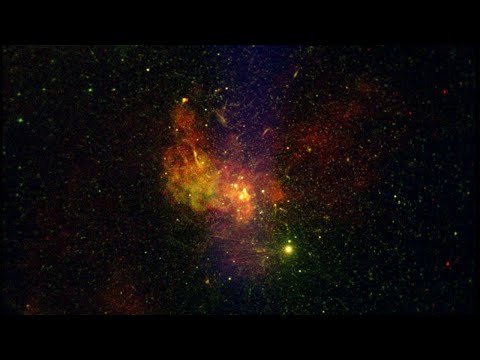
En son CSC güncellemesi, 2021’e kadar toplanan 400.000’den fazla benzersiz kompakt ve geniş X-ışını kaynağının yanı sıra 1,3 milyondan fazla ayrı X-ışını ışınımı tespitini içeriyor. En son örneklerden biri, Samanyolu galaksimizin merkezinde yer alan süper kütleli kara delik olan Sagittarius A bölgesinin etrafındaki alana ait bir görüntü. NASA’ya göre bu görüntü yaklaşık 60 ışık yılılık bir alanı kapsıyor ve “gece gökyüzünde çok küçük bir nokta” olarak tanımlanıyor. Sonuç, 86 ayrı görüntünün 3 milyondan fazla saniye süren gözlemlerin birleştirilmesiyle elde edildi. Bu gözlemlerde, Chandra tarafından 3.300’den fazla ayrı X-ışını kaynağı tespit edildi.
Gözlemevinin verileri, diğer yer ve uzay teleskoplarının galaksinin yeni bölgelerini incelemeleri için vazgeçilmez olsa da, ham verilerin çoğu insan gözüyle doğrudan görülemiyor. NASA, önceki projelerde olduğu gibi, gözlemleri eterik seslere dönüştüren “seslendirme” tekniklerini kullanarak bu görkemli verileri daha iyi anlamamızı sağlıyor. Sagittarius A’nin görüntüsünü tamamlamak için, NASA aynı zamanda 22 yıllık uzay seslerinin bir seslendirmesini de yayınladı. Tekrarlanan gözlemler farklı notalara sahip ve bu da Chandra’nın yeteneklerini sergileyen kozmik bir koro oluşturuyor. Ayrıca, bu ses kaydı, Samanyolu galaksinin haritası üzerine yerleştirilerek, her X-ışını tespitinin galaksi içindeki konumunu gösteriyor. Daha büyük çemberler, daha sık gözlemlenen bölgeleri temsil ediyor.

Chandra’nın ilk görevinin yalnızca beş yıl sürmesi planlanmıştı, ancak astronomların en çılgın beklentilerini aşarak çalışmaya devam etti. 2024 yılında bir süre fon belirsizliği yaşanmış olsa da, gözlemevinin önümüzdeki yıllarda da galaksiye ışık tutmaya devam etmesi bekleniyor.























İlk yorumu siz yazın
Fikrinizi bir kaynak, soru veya yapıcı karşı görüşle geliştirin.